
Tempered glass is widely used in electronics, automobiles, architecture, and household products because of its strength and safety features. However, processing this material requires advanced technology due to its internal stress structure. Many manufacturers are exploring laser-cutting tempered glass as a precise solution for producing complex glass components with improved efficiency and accuracy.
Unlike ordinary glass, tempered glass cannot always be processed using traditional cutting methods after strengthening. Understanding how laser technology works, what challenges exist, and where it can be applied helps manufacturers choose suitable glass processing methods.
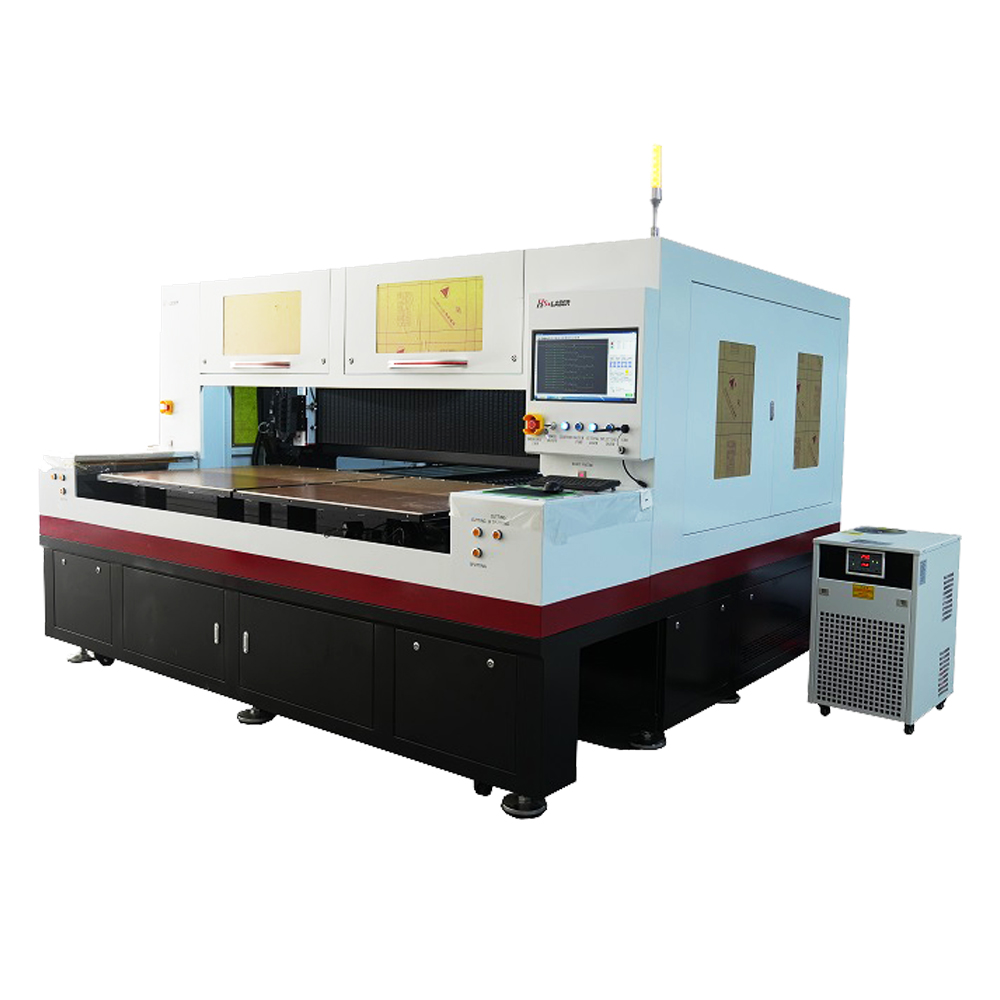
What Is Tempered Glass Laser Cutting?
Tempered glass laser cutting is a precision processing technology that uses a focused laser beam to create controlled changes in glass materials. By accurately controlling laser parameters, manufacturers can achieve customized shapes, fine details, and complex designs.
Key Characteristics of Laser Glass Processing
- High precision control
Laser systems allow accurate adjustment of processing paths and energy output for different glass applications. - Non-contact technology
The laser beam works without direct tool pressure, helping reduce physical impact on delicate materials. - Flexible processing capability
This technology supports customized designs that
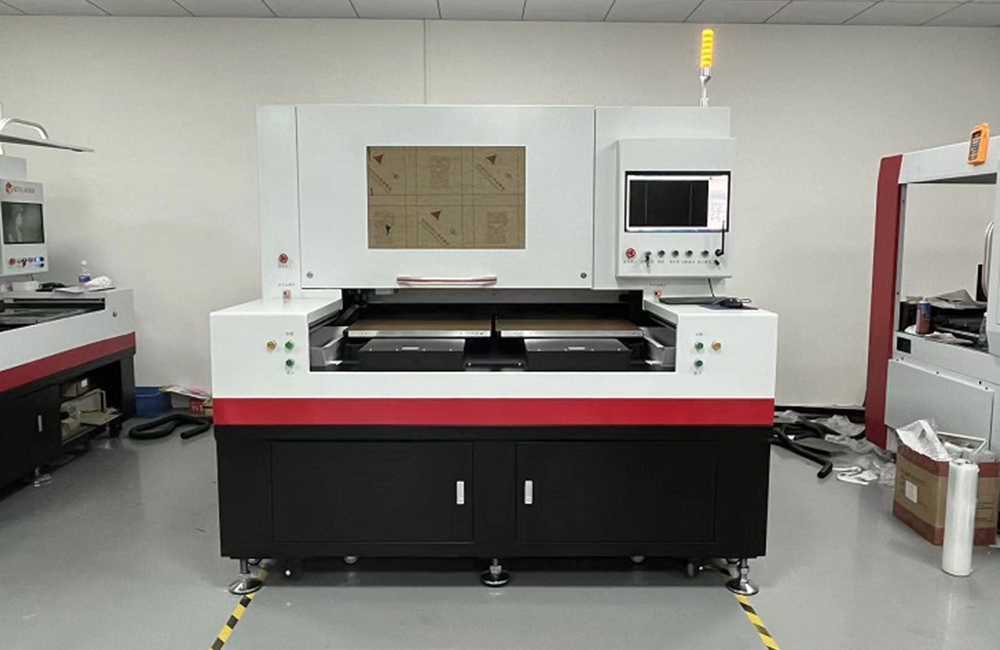
Why Is Tempered Glass Difficult to Cut?
Tempered glass is specially heated and rapidly cooled during manufacturing. This process increases strength but also creates internal tension inside the material. Therefore, selecting the right processing technology is important for maintaining product quality.
Because of this structure:
- Cutting after tempering may cause cracking;
- Mechanical force can release internal stress;
- Complex shapes are difficult to achieve;
- Edge quality becomes harder to control.
How Does Tempered Glass Laser Cutting Work?
Understanding tempered glass laser cutting requires looking at the interaction between laser energy and glass materials.
Laser Energy Control
A laser cutting system focuses a high-energy beam onto a specific area of glass. The controlled energy creates localized heating, allowing precise processing without applying direct mechanical pressure. Directly affects cutting quality.
The adjustment of:
- Laser power;
- Processing speed;
- Beam focus;
- Material thickness;
Precision Processing
Laser technology provides high precision and flexibility for creating detailed glass designs. Compared with traditional cutting tools, laser systems can process complex patterns, fine structures, and customized shapes with greater accuracy.
The processing quality is affected by several factors, including:
- Processing accuracy
Determines the precision of cutting paths and the quality of finished glass components. - Design complexity
Allows the creation of detailed patterns and small features that may be difficult with conventional methods. - Material characteristics
Different glass types and thicknesses require suitable processing parameters. - Production requirements
Accurate control helps achieve consistent results for industries requiring high-quality glass components.
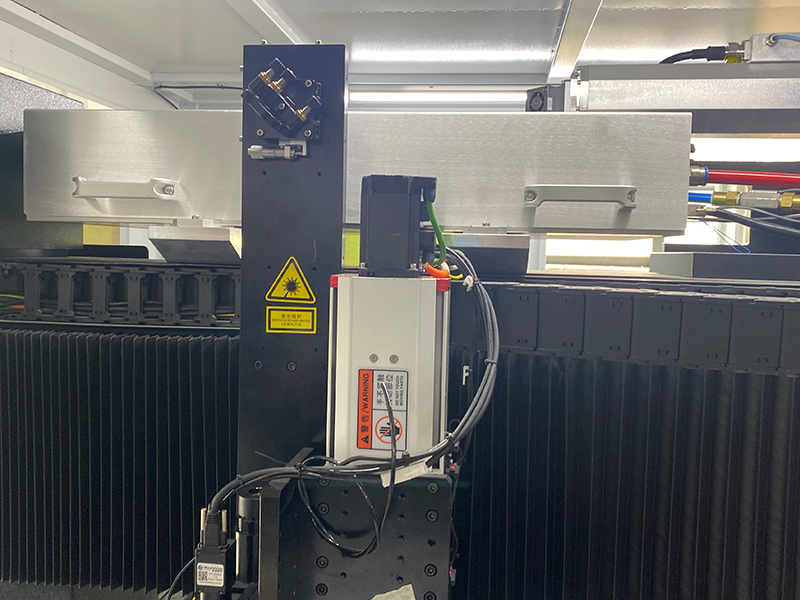
What Are the Advantages of Tempered Glass Laser Cutting?
Modern tempered glass laser cutting technology provides several benefits for advanced manufacturing.
| Advantage | Description |
| High Precision | Creates accurate shapes and detailed designs |
| Non-Contact Processing | Reduces physical pressure on glass materials |
| Flexible Design | Supports complex patterns and customized processing |
| Improved Efficiency | Helps optimize modern production processes |
| Better Automation | Can integrate with automated manufacturing systems |
Improved Processing Accuracy
Laser systems provide precise control over processing parameters. This helps manufacturers achieve consistent results when producing glass components.
Reduced Material Impact
Because laser processing does not require direct tool contact, it can reduce mechanical stress during manufacturing.
Support for Complex Designs
Modern industries often require customized glass shapes. Laser technology provides greater flexibility compared with traditional methods.
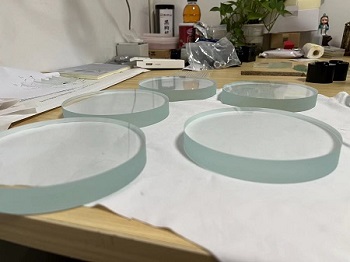
What Applications Use Tempered Glass Laser Cutting?
The demand for tempered glass laser cutting continues growing across different industries.
Electronics Industry
Glass components are widely used in displays, touch panels, and electronic devices. Laser processing helps create precise structures required for modern electronic products.
Automotive Glass Applications
Automotive industries use advanced glass materials for different vehicle components. Accurate processing helps meet design and performance requirements.
Architectural Glass
Glass is commonly used in buildings, doors, windows, and decorative structures. Laser technology supports customized designs and precise processing.
Industrial Equipment
Many industrial devices require specialized glass parts. Laser cutting provides flexible solutions for different production needs.
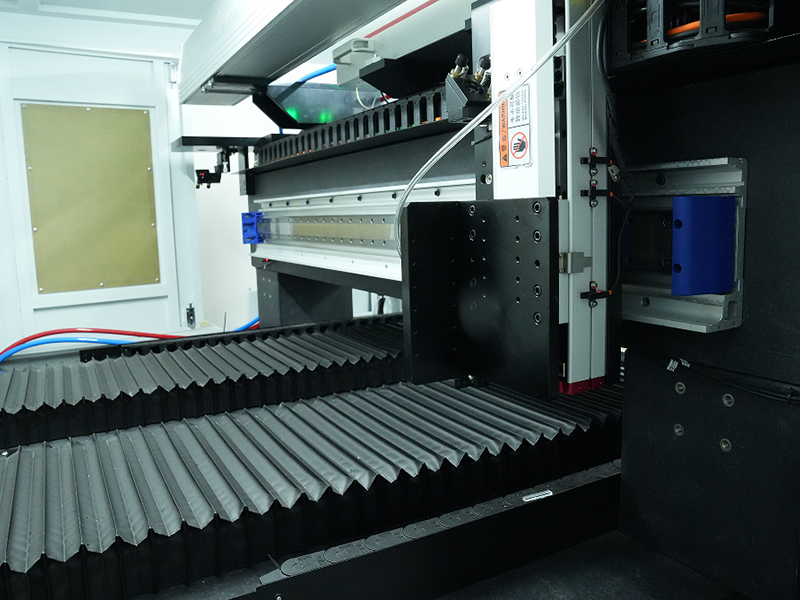
How Does Tempered Glass Laser Cutting Compare With Traditional Methods?
Different glass processing methods have different advantages. Comparing technologies helps manufacturers understand suitable applications. Traditional methods may still be suitable for basic applications, but laser technology provides advantages when precision and customization are important.
| Processing Method | Features | Limitations |
| Mechanical Cutting | Common and simple processing method | Limited for complex designs |
| Water Jet Cutting | Suitable for various materials | Requires more processing resources |
| Laser Cutting | High precision and flexible processing | Requires advanced equipment control |
How to Choose Equipment for Glass Laser Cutting?
Selecting suitable equipment requires consideration of several factors. A suitable laser cutting machine for glass should match production requirements while maintaining stable processing quality.
Material Requirements
Different glass types and thicknesses require different processing parameters. Understanding material characteristics helps determine suitable machine configurations.
Processing Accuracy
Applications requiring detailed patterns or precise dimensions need equipment with stable control systems.
Production Efficiency
For large-scale manufacturing, processing speed and automation capability are important factors.
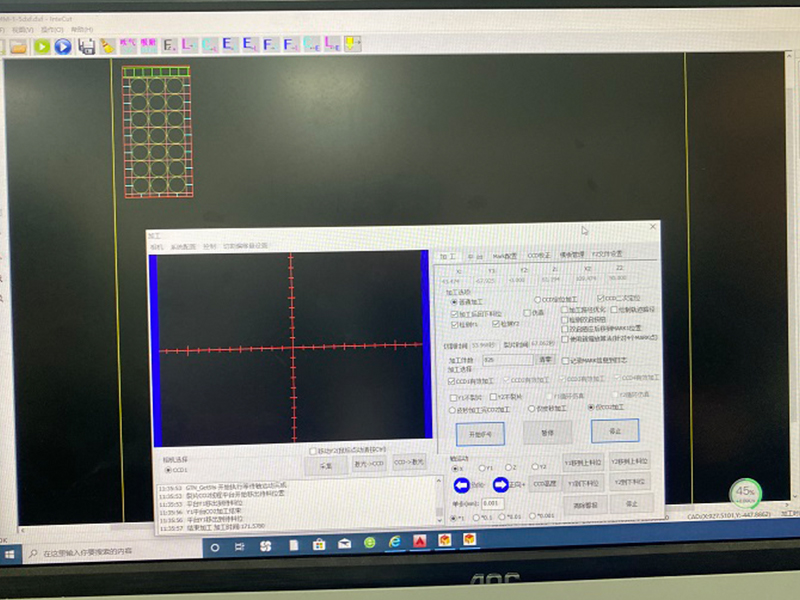
Future Trends of Tempered Glass Processing Technology
The development of smart manufacturing is driving improvements in glass processing technology. Future tempered glass laser cutting solutions are expected to focus on:
- Higher automation levels;
- Improved processing intelligence;
- Better energy efficiency;
- More flexible manufacturing applications.
With increasing demand for customized glass products, advanced laser technology will continue playing an important role in modern manufacturing.
Conclusion
As industries require more precise and customized glass components, tempered glass laser cutting has become an important processing technology. Its advantages in precision, flexibility, and automation make it suitable for many advanced manufacturing applications.
Understanding the principles, benefits, and application areas of laser glass processing helps manufacturers make better decisions when selecting production methods. Exploring suitable glass laser cutting solutions can support more efficient and reliable manufacturing processes in the future.