
Glass processing plays an important role in industries such as electronics, automotive, architecture, and precision manufacturing. As product designs become more complex, traditional cutting methods may face challenges in accuracy, flexibility, and efficiency. A laser glass cutter provides an advanced approach by using precise laser technology to process glass materials with improved control and consistency.
Compared with conventional methods, laser glass processing offers more possibilities for customized designs, detailed patterns, and automated production. Understanding how a glass laser cutting machine improves glass processing can help manufacturers explore better solutions for modern production requirements.
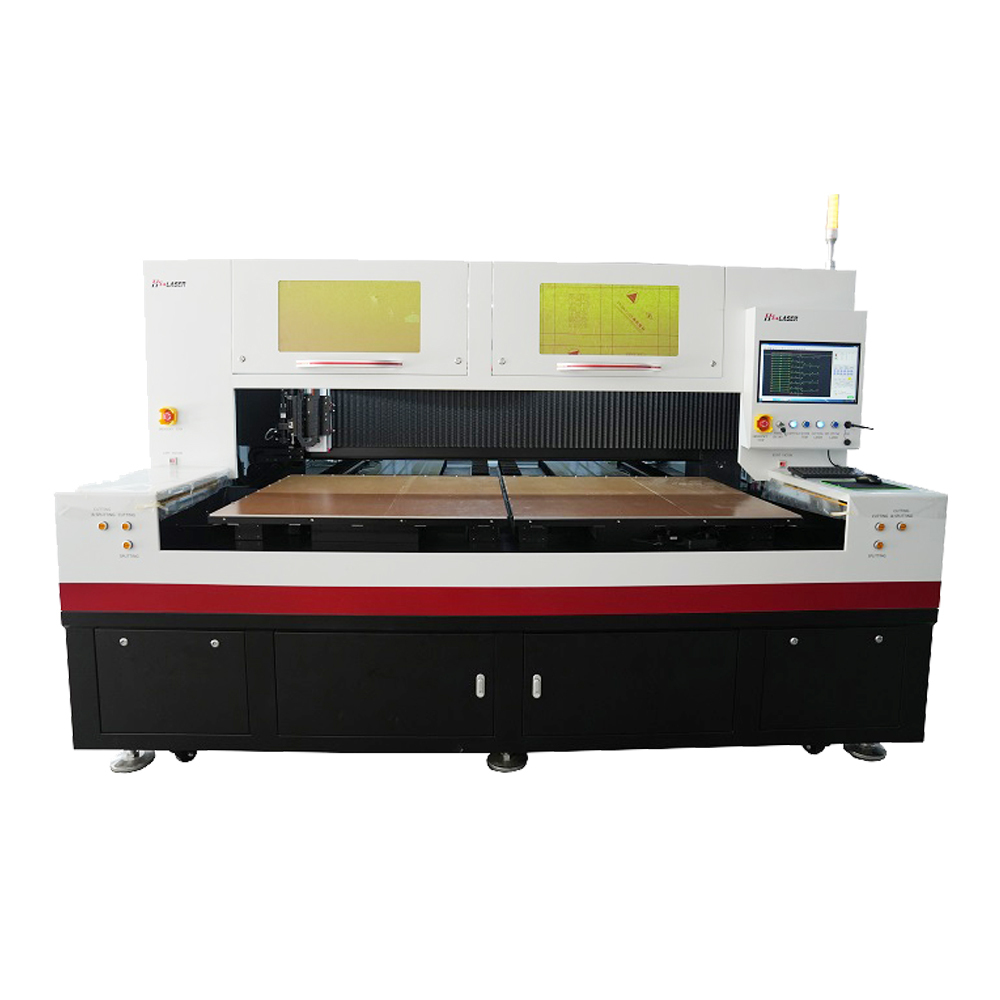
Why Is a Glass Laser Cutting Machine Important for Modern Glass Processing?
Modern manufacturing requires glass components with higher precision and more complex structures. Traditional cutting methods may be suitable for basic applications, but they can become limited when dealing with customized designs or strict quality requirements. These advantages make laser technology increasingly valuable for industries requiring reliable glass processing solutions.
A laser glass cutter helps overcome these challenges through:
- High precision processing
Laser technology allows accurate control of cutting paths, helping produce detailed glass components. - Flexible design capability
It supports complex shapes and customized patterns that may be difficult with traditional tools. - Non-contact processing
The laser beam works without direct physical pressure, reducing mechanical impact on glass materials. - Better production consistency
Automated control systems help maintain stable processing results during manufacturing.
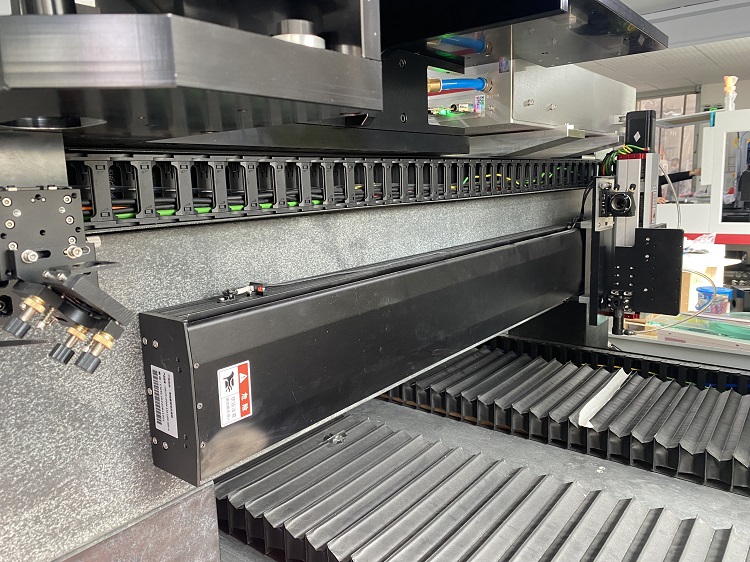
How Does a Glass Laser Cutting Machine Improve Cutting Accuracy?
Precision plays a pivotal role in the field of glass manufacturing. A glass laser cutting machine improves accuracy by controlling laser energy, movement paths, and processing parameters.
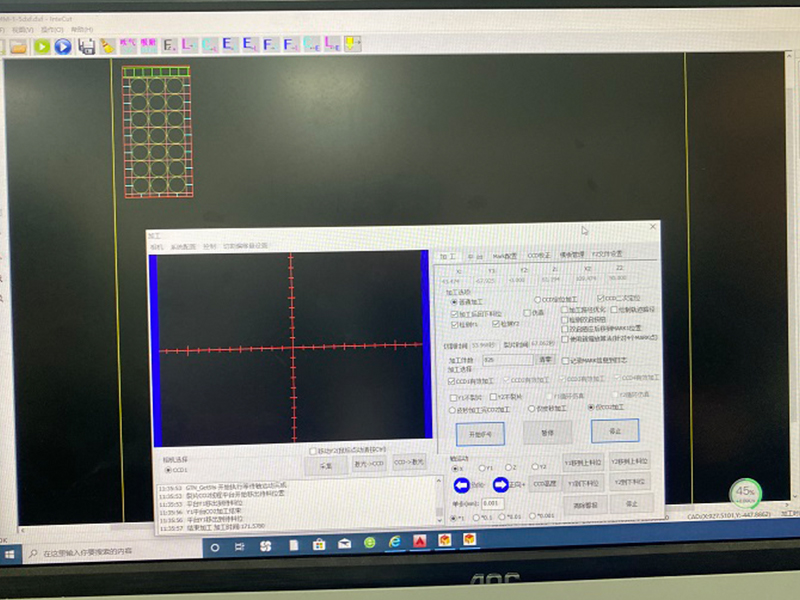
Precise Laser Control
The laser system focuses energy on specific areas of the glass surface. By adjusting key parameters, manufacturers can achieve better processing results.
Important factors include:
- Laser power;
- Processing speed;
- Beam focus;
- Material thickness;
- Glass characteristics.
Proper parameter adjustment helps maintain cutting quality and supports different production requirements.
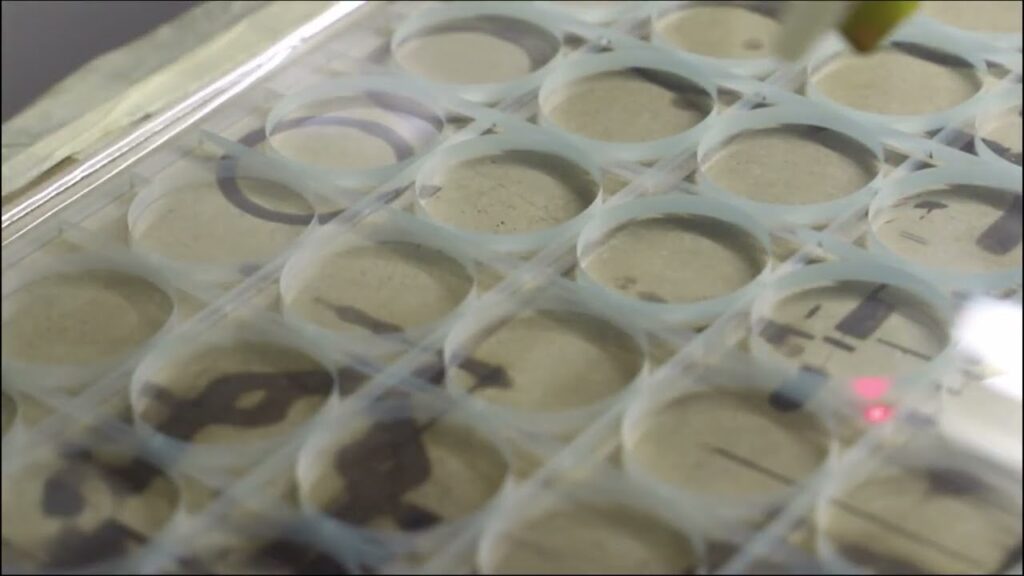
Complex Design Processing
Traditional cutting methods may have limitations when creating detailed patterns or irregular shapes. A laser glass cutter provides greater flexibility for producing customized glass components.
This capability is particularly well-suited to the needs of the following industries:
- Small and precise structures;
- Customized designs;
- High-quality glass surfaces;
- Complex processing requirements.
What Types of Glass Can a Laser Glass Cutter Process?
Different industries use different glass materials based on product requirements. The suitable processing method depends on glass properties, thickness, and application needs.
| Glass Type | Common Applications |
| Display Glass | Smartphones, electronic displays, touch panels |
| Optical Glass | Precision instruments and optical equipment |
| Architectural Glass | Windows, buildings, decorative designs |
| Industrial Glass | Specialized equipment and manufacturing components |
A suitable glass laser cutting machine should match the characteristics of the material being processed. Factors such as thickness, shape, and production volume should be considered before selecting equipment.
What Industries Benefit from Laser Glass Cutting Technology?
The demand for precise glass processing continues growing across various industries. A laser glass cutter provides flexible solutions for applications requiring accuracy and customization.
Electronics Manufacturing
Electronic products often require thin and precise glass components. Laser technology helps create accurate shapes for displays, touch screens, and other components.
Automotive Applications
Modern vehicles use advanced glass designs for appearance, safety, and functionality. Laser processing supports customized glass structures while maintaining processing accuracy.
Architectural Applications
Architectural projects increasingly use customized glass designs. Laser cutting technology allows manufacturers to create unique shapes and decorative patterns.
Industrial Equipment
Specialized industrial equipment may require custom glass parts. A laser glass cutter helps improve processing flexibility for different manufacturing needs.
Laser Glass Cutter vs Traditional Glass Processing Methods
Different glass processing technologies have their own advantages. Understanding these differences helps manufacturers choose suitable solutions. Compared with traditional methods, a glass laser cutting machine provides improved flexibility for applications requiring detailed designs and consistent quality.
| Processing Method | Advantages | Limitations |
| Mechanical Cutting | Simple operation and widely used | Less flexible for complex designs |
| Water Jet Cutting | Suitable for various materials | Requires more processing resources |
| Laser Glass Cutter | High precision and flexible processing | Requires accurate parameter control |
How Can a Laser Glass Cutter Improve Production Efficiency?
Production efficiency depends on processing speed, accuracy, and automation capability. A modern laser glass cutter helps optimize manufacturing processes in several ways.
Reduced Material Waste
Precise laser control helps improve material utilization by creating accurate cutting paths and reducing unnecessary waste.
Improved Automation
Laser systems can be integrated into automated production environments. This helps manufacturers achieve more consistent processing and reduce manual operations.
Faster Design Changes
Traditional processing methods may require physical tool adjustments when designs change. Laser technology allows software-based modifications, making production more flexible.
How to Choose the Right Glass Laser Cutting Machine?
Choosing suitable equipment requires evaluating several production factors.
Consider Material Requirements
Different glass types require different processing parameters. Manufacturers should consider:
- Glass thickness;
- Material properties;
- Required precision;
- Final application.
Evaluate Processing Performance
Important equipment factors include:
- Cutting accuracy;
- Processing speed;
- Automation capability;
- System stability.
Match Production Goals
A suitable glass laser cutting machine should meet current manufacturing needs while supporting future production development.
Important production factors include:
- Production capacity;
- Processing flexibility;
- Upgrade capability;
- Cost efficiency.
What Future Trends Are Shaping Glass Processing?
The glass manufacturing industry is moving toward smarter and more flexible production methods. Advanced laser glass cutter technology is expected to continue developing with these trends:
- Higher automation levels;
- More intelligent control systems;
- Improved energy efficiency;
- Greater processing flexibility;
- Wider industrial applications.
As demand for customized glass products increases, laser technology will continue supporting manufacturers in achieving more precise and efficient production.
Conclusion
The development of modern manufacturing has increased the demand for accurate, flexible, and efficient glass processing methods. A laser glass cutter provides advantages in precision, automation, and design flexibility, making it suitable for many industrial applications. From electronics and automotive components to architectural and industrial glass products, laser processing technology is helping manufacturers improve production capabilities. Understanding its advantages and applications allows businesses to make better decisions when exploring advanced glass processing solutions.