
In the world of industrial maintenance and restoration, removing corrosion without damaging the underlying substrate has always been a challenge. Traditional methods often involve harsh chemicals or abrasive media that can harm the environment or the part itself. This is where a laser rust removal machine changes the game. By utilizing high-frequency laser pulses, this technology offers a non-contact, non-destructive way to strip rust, paint, and oil. Whether you are restoring a classic car or cleaning delicate molds, understanding how this equipment works is essential for modern surface treatment.
How a Laser Rust Removal Machine Works
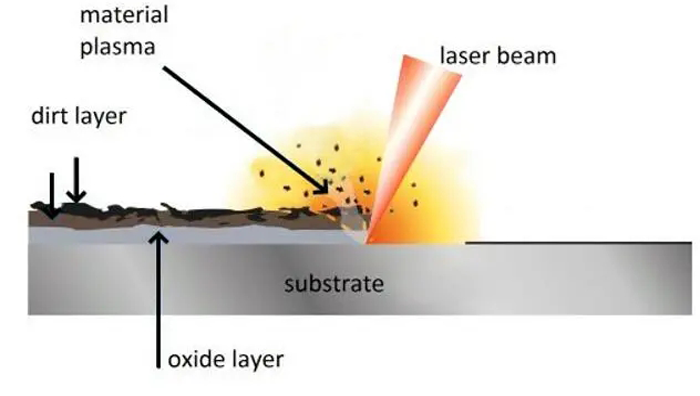
At its core, the technology behind a laser rust removal machine relies on the principle of ablation. When the laser beam hits the surface, the rust or coating absorbs the energy and instantly vaporizes or turns into plasma. Because the base metal (like steel or aluminum) reflects the specific wavelength of the fiber laser, it remains untouched.
This process is highly controllable. Operators can adjust the power and frequency to ensure that only the contaminants are removed. Unlike sandblasting, which is a “brute force” method, laser cleaning is precise. It is capable of removing microscopic layers of oxide without altering the surface roughness of the component. This makes it an ideal choice for precision hardware and electronic components where tolerance levels are tight.
Pulse vs. CW: Choosing the Right System
When shopping for a laser rust removal machine, you will encounter two main types of laser sources: Continuous Wave (CW) and Pulse. Understanding the difference is critical for your specific application.
Continuous Wave (CW) Systems
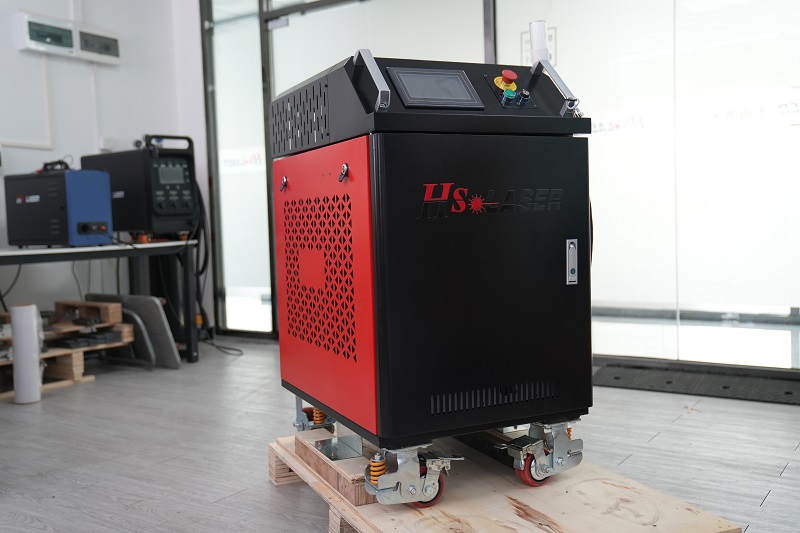
CW machines are generally more cost-effective and are designed for heavy-duty industrial tasks. They are excellent for:
- Removing thick layers of rust from steel plates.
- Stripping paint from large surfaces like ship hulls or railway tracks.
- Cleaning construction machinery where surface finish is less critical. These machines often come in higher power ranges, such as 1500W to 6000W, allowing for rapid cleaning speeds of up to 10 square meters per minute.
Pulse Laser Systems
Pulse systems deliver energy in short bursts (nanoseconds). This “cold” cleaning process generates very little heat, making it perfect for sensitive applications. A laser rust removal machine using pulse technology is best for:
- Mold Cleaning: Removing carbon deposition and release agents from plastic or die-casting molds without damaging the precision texture.
- Cultural Relics: Gently removing oxidation from bronze or iron artifacts in museums.
- Aerospace: Cleaning oxide layers from aviation aluminum alloys without causing thermal deformation. Power ranges for pulse machines typically vary from 100W to 500W, offering extreme precision over raw speed.
Key Industries and Applications
Laser rust removal machines offer exceptional versatility (or broad applicability), capable of meeting the needs of dozens of industrial sectors.
Automotive and Transportation
In the automotive industry, time is money. A laser rust removal machine is used to clean engine parts, remove welding rust from car frames, and strip old paint before repainting. It effectively removes oil residue and prepares the surface for welding, ensuring a stronger bond.
Mold Manufacturing
Traditional cleaning methods for molds often involve chemical soaking or physical grinding, both of which can degrade the mold over time. A portable laser rust removal machine can clean complex mold geometries and narrow gaps without disassembly, significantly reducing downtime.
Shipbuilding and Heavy Machinery
For large-scale projects, high-power laser systems are indispensable. They can strip thick rust and marine growth from steel hulls. Since the process produces no wastewater and the dust can be easily collected by a vacuum system, it meets strict environmental regulations often found in shipyards.
Cultural Relics and Restoration
Restoration requires a gentle touch. A low-energy pulse laser rust removal machine can selectively remove rust layers from historical iron or bronze items. It stops the corrosion process without erasing the historical details or patina that give the artifact its value.
Advantages Over Traditional Cleaning Methods
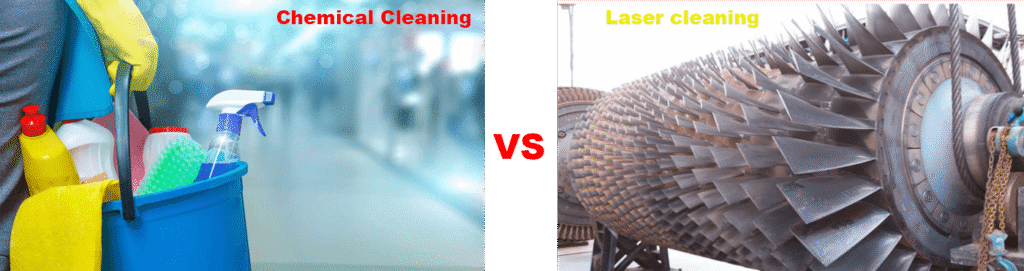
Why are companies replacing sandblasting rooms and chemical tanks with a laser rust removal machine? The benefits are clear when you look at operational costs and safety.
| Feature | Laser Cleaning | Sandblasting | Chemical Pickling |
| Consumables | Electricity only | Sand/Abrasive media | Chemical solvents |
| Base Material | Undamaged | Often damaged/roughened | Risk of corrosion |
| Environment | Green (Dust collected) | High dust/Noise | Toxic wastewater |
| Precision | High (Selective) | Low (General) | Medium |
1. Non-Destructive and Precise
The ability to adjust laser energy means you can clean a delicate circuit board one minute and a rusty steel beam the next (with the appropriate machine). The substrate is never scratched or abraded.
2. Green and Eco-Friendly
Modern manufacturing demands sustainability. A laser rust removal machine produces no chemical waste. The rust turns into solid dust, which is easily captured by a standard filtration system, ensuring a safe working environment for the operator.
3. Low Operating Costs
While the initial investment might be higher than a pressure washer, the long-term savings are significant. There is no need to constantly purchase abrasive media or dispose of hazardous chemical waste. The machine runs on electricity and requires minimal maintenance, primarily just keeping the lenses clean.
4. Portability and Flexibility
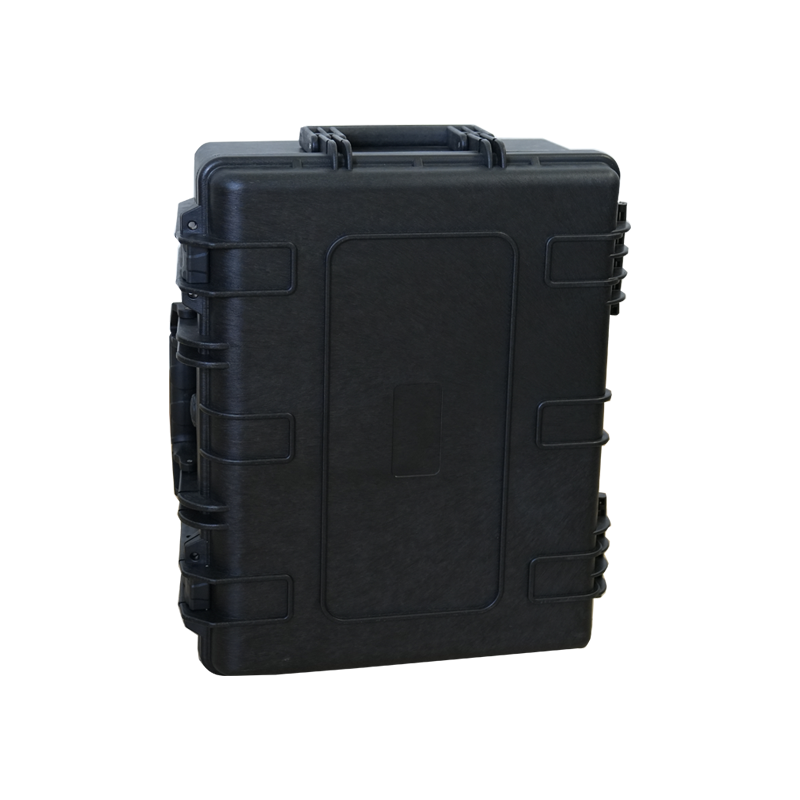
Newer models, such as the “suitcase” style cleaners weighing around 7kg, allow for incredible mobility. An operator can carry a portable laser rust removal machine to different floors of a factory or take it on-site to a construction project. The handheld scanning head can reach narrow gaps and complex angles that rigid nozzles cannot.
Operational Safety and Maintenance
Operating a laser rust removal machine is generally safer than using open blasting methods, but safety protocols must be followed. Always wear laser safety goggles rated for the appropriate wavelength during operation to strictly prevent eye injury.
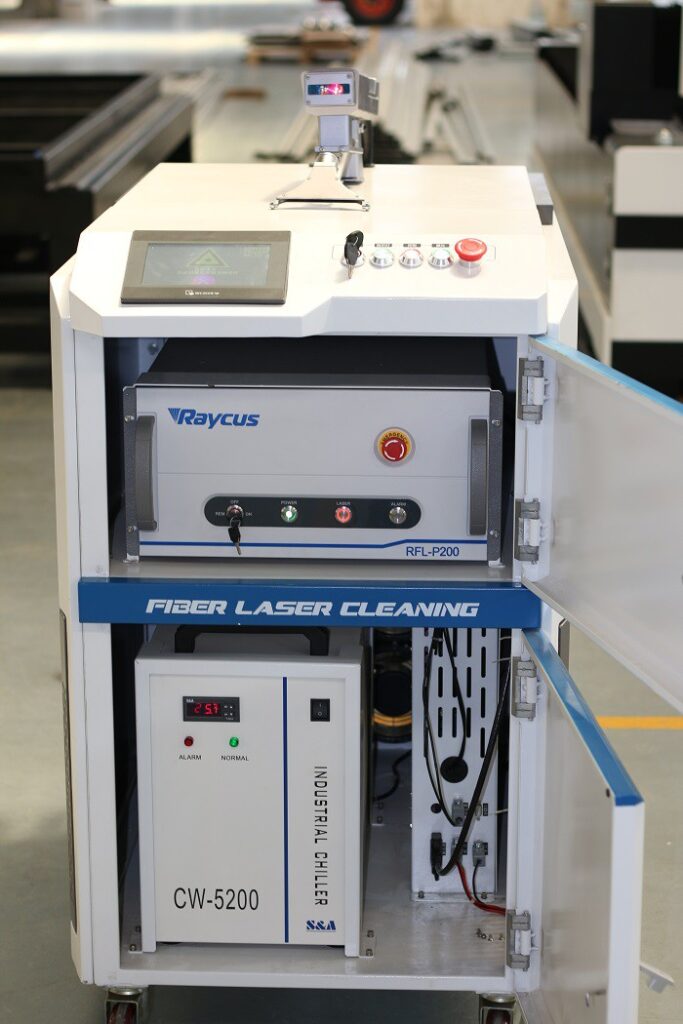
Maintenance is straightforward. Since there are no moving mechanical parts in the laser source (fiber laser), wear and tear are minimal. The primary task is ensuring the cooling system (whether air-cooled or water-cooled) is functioning correctly to prevent overheating. For water-cooled models, regular checks of the water levels and purity are necessary.
Conclusion
The shift towards automated, clean, and precise manufacturing makes the laser rust removal machine an essential tool for the future. Whether you need the raw power of a 6000W CW system for heavy steel or the delicate touch of a 200W pulse system for mold maintenance, the technology offers a solution. By eliminating consumables and reducing labor intensity, it provides a return on investment that traditional methods simply cannot match.
If you are looking to upgrade your surface treatment capabilities, exploring the range of laser cleaning options available today is the next logical step. If you found this guide helpful, consider following our updates for more insights on laser technology and industrial maintenance solutions.