
Jewelry manufacturing requires extremely high precision because even minor processing errors can affect the appearance, structure, and value of finished products. A jewelry laser welder provides a modern solution for joining, repairing, and modifying delicate metal components with controlled laser energy. Compared with traditional welding methods, laser technology offers better accuracy, smaller heat impact, and greater flexibility for complex jewelry designs.
As jewelry designs become more detailed and customized, manufacturers are looking for advanced processing methods that can improve efficiency while maintaining quality. Understanding why laser welding is used in jewelry manufacturing helps explain how this technology supports modern jewelry production and repair.
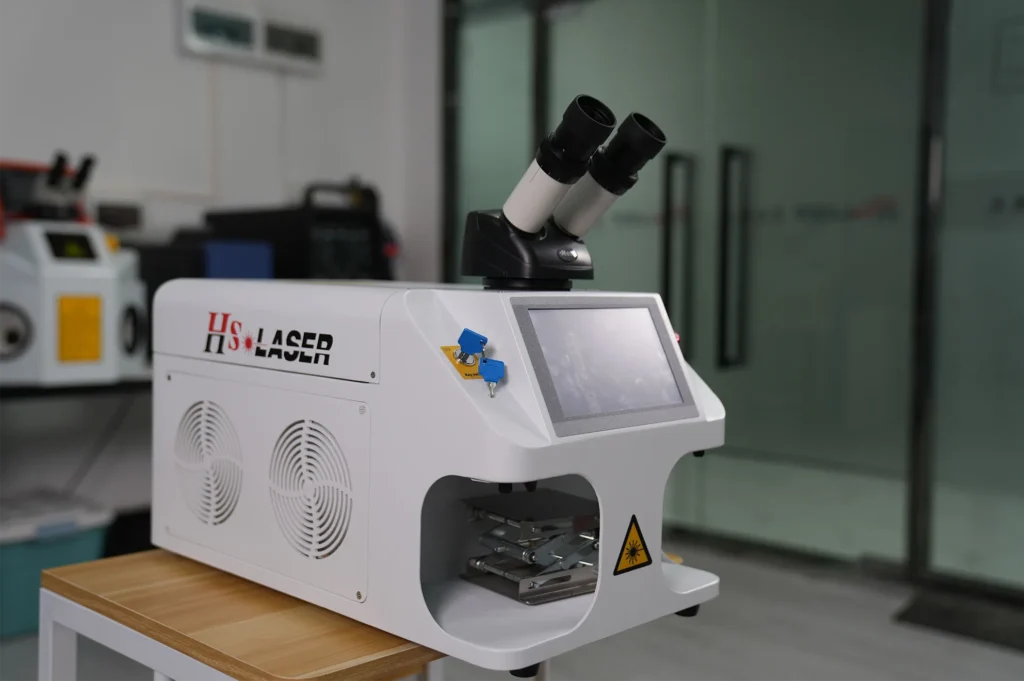
Why Is Laser Welding Used in Jewelry Manufacturing?
Traditional jewelry welding methods have been widely used for many years, but they may create challenges when working with small components or heat-sensitive materials. Excessive heat can affect surrounding areas, while manual operations may make it difficult to achieve consistent results. A jewelry laser welder uses focused laser energy to create precise welding points. This technology allows operators to process small areas while reducing unnecessary thermal impact.
Key reasons why laser welding is widely used include:
- High precision control
Allows accurate welding of small and detailed jewelry structures. - Reduced heat influence
Minimizes the impact on surrounding materials and decorative elements. - Flexible processing ability
Supports different jewelry designs, repair tasks, and manufacturing requirements. - Improved consistency
Helps achieve stable welding quality during repeated operations.
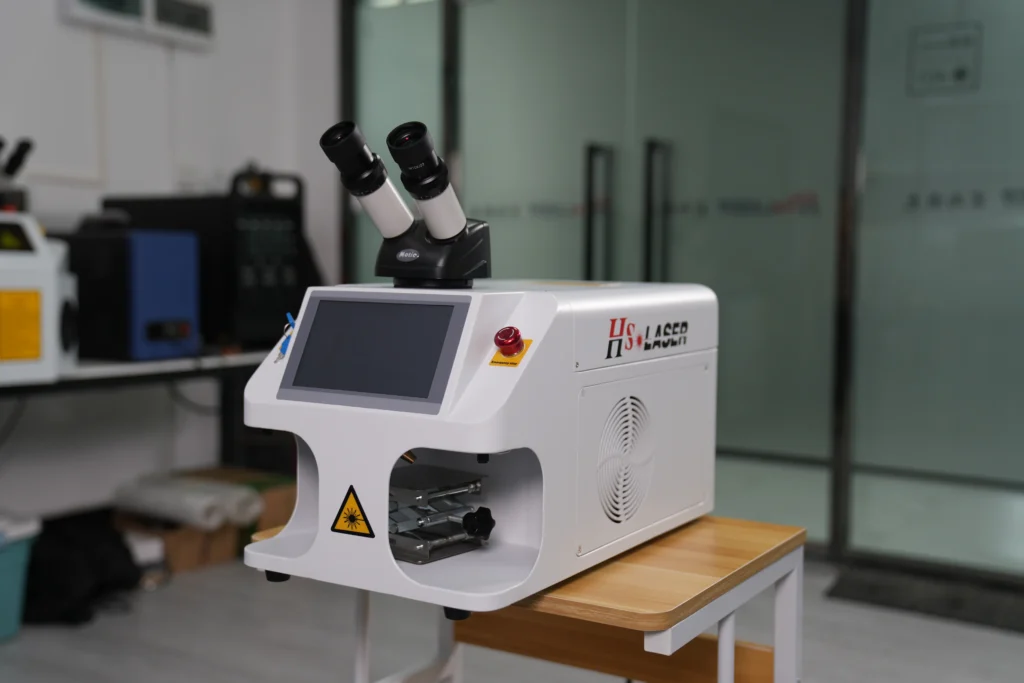
What Challenges Exist in Traditional Jewelry Welding?
Jewelry products often include delicate structures, precious metals, and complex designs. These characteristics make traditional welding more challenging in some applications. A jewelry laser welder addresses these challenges by providing controlled energy delivery and precise welding positions.
Common difficulties include:
| Challenge | Description |
| Heat Control | Excessive heat may affect nearby areas |
| Small Components | Tiny parts require accurate positioning |
| Surface Protection | Finished jewelry needs careful handling |
| Complex Designs | Detailed structures require flexible processing |
How Does a Jewelry Laser Welder Work?
A jewelry laser welder works by generating a concentrated laser beam that applies controlled heat to specific welding points. The energy melts the metal surface and creates a strong connection between components.
The main processing steps include:
Laser Energy Adjustment
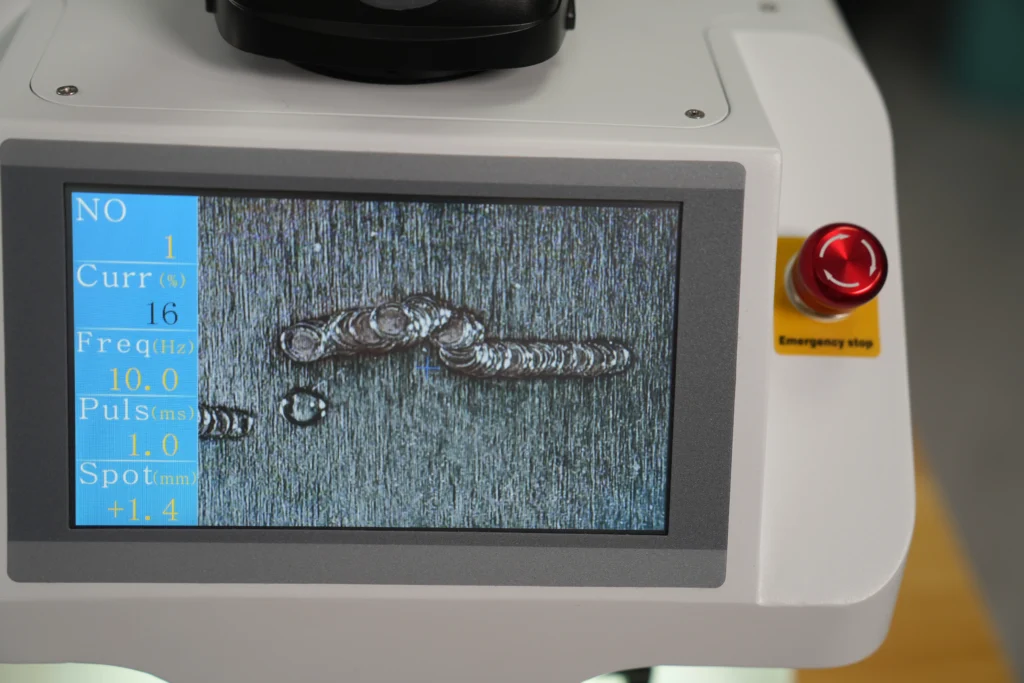
The welding performance depends on accurate control of several parameters:
- Laser power;
- Pulse duration;
- Welding speed;
- Beam position.
Proper parameter adjustment helps achieve suitable welding results for different jewelry materials and structures.
Precise Welding Operation
Because jewelry components are often small and detailed, accurate positioning is essential. Laser systems allow operators to focus energy on specific areas without affecting larger surrounding sections.
This makes laser welding suitable for:
- Fine jewelry repair;
- Small component joining;
- Detailed design modification;
- Precision manufacturing.
What Are the Benefits of Jewelry Laser Welding?
The use of a jewelry laser welder provides several advantages for modern jewelry processing.
Better Precision
Laser welding allows accurate control of welding areas, making it suitable for products requiring detailed craftsmanship.
Lower Material Impact
Compared with traditional welding methods, laser technology applies heat in a more controlled way. This measure effectively protects sensitive areas while reducing the risk of unnecessary deformation.
More Design Flexibility
Modern jewelry designs often include complex shapes and customized structures. Laser welding provides greater flexibility for creating and modifying these designs.
Efficient Repair Capability
A jewelry laser welding machine is commonly used for repair tasks because it can process small areas while maintaining the appearance of finished jewelry.
Which Jewelry Applications Need Laser Welding?
Laser welding technology is used in various jewelry manufacturing and repair scenarios.
| Application | Processing Purpose |
| Ring Repair | Fixing cracks, resizing areas, or joining components |
| Chain Repair | Reconnecting small metal sections |
| Stone Setting Support | Adjusting structures around gemstones |
| Custom Jewelry Production | Creating detailed and personalized designs |
Fine Jewelry Repair
The restoration of precious jewelry places extremely high demands on precision and heat control. A jewelry laser welder helps complete repairs while reducing the risk of affecting nearby decorative parts.
Jewelry Manufacturing
During production, manufacturers need reliable joining methods for different components. Laser welding supports detailed processing and helps improve manufacturing flexibility.
Jewelry Laser Welder vs Traditional Welding Methods
Different welding technologies provide different processing results. Comparing these methods helps explain why laser welding has become popular in jewelry applications. A jewelry laser welding machine provides advantages when applications require precision, detailed processing, and reduced impact on surrounding materials.
| Welding Method | Advantages | Limitations |
| Traditional Soldering | Common and simple operation | More heat influence |
| Manual Welding | Flexible for basic tasks | Depends heavily on operator skill |
| Jewelry Laser Welder | Precise control and localized heating | Requires suitable operating knowledge |
How to Choose a Jewelry Laser Welder?
Equipment selection should comprehensively take into account processing requirements and overall production goals.
Evaluate Welding Performance
Important equipment factors include:
- Welding accuracy;
- Laser power;
- Pulse control;
- System stability.
Consider Material Requirements
Different jewelry materials may require different processing settings.
Important factors include:
- Metal type;
- Material thickness;
- Component size;
- Product design.
Match Production Needs
A suitable jewelry laser welder should support current applications while providing flexibility for future development.
Important production factors include:
- Processing efficiency;
- Operation convenience;
- Application range;
- Maintenance requirements.
What Future Trends Are Shaping Jewelry Manufacturing?
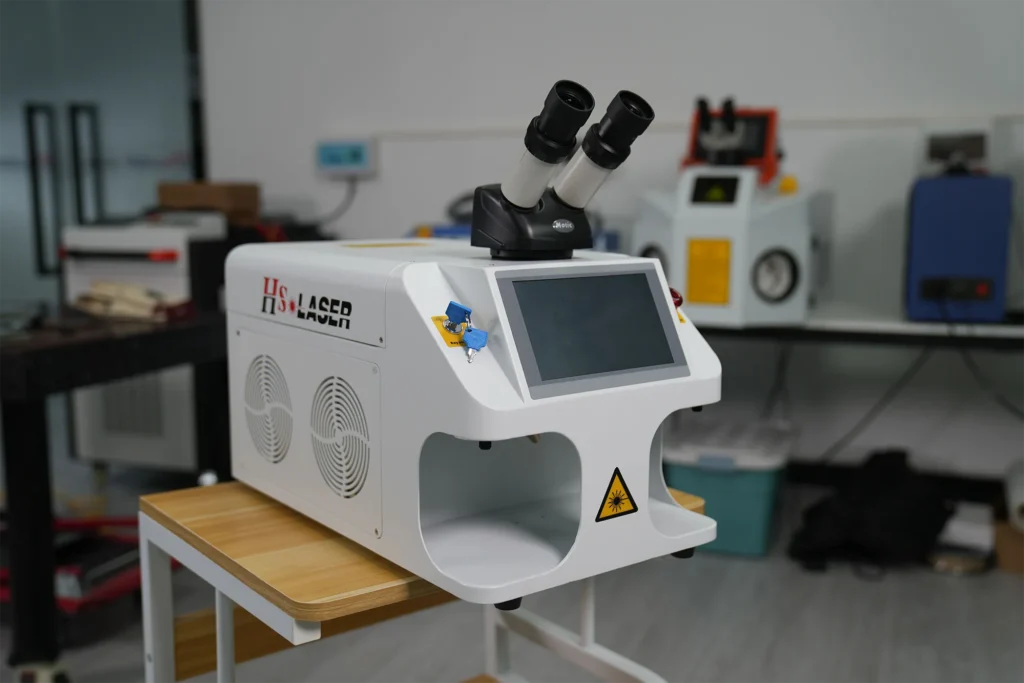
Jewelry manufacturing is moving toward more customized designs and precise processing methods. As customer demand for personalized products increases, advanced technologies such as laser welding will continue gaining importance. A jewelry laser welder will continue supporting jewelry manufacturers and repair professionals by providing more accurate and efficient processing solutions.
Future trends include:
- Higher processing automation;
- Improved precision control;
- More flexible customization;
- Better integration with digital manufacturing.
Conclusion
The jewelry industry requires technology that can combine precision, flexibility, and quality control. Laser welding provides advantages in detailed processing, repair applications, and complex jewelry manufacturing. A jewelry laser welder helps improve processing accuracy while reducing the limitations of traditional welding methods. By fully grasping its operating principles, scope of application, and key selection criteria, manufacturers can identify more advanced, modern solutions for jewelry processing and repair.